

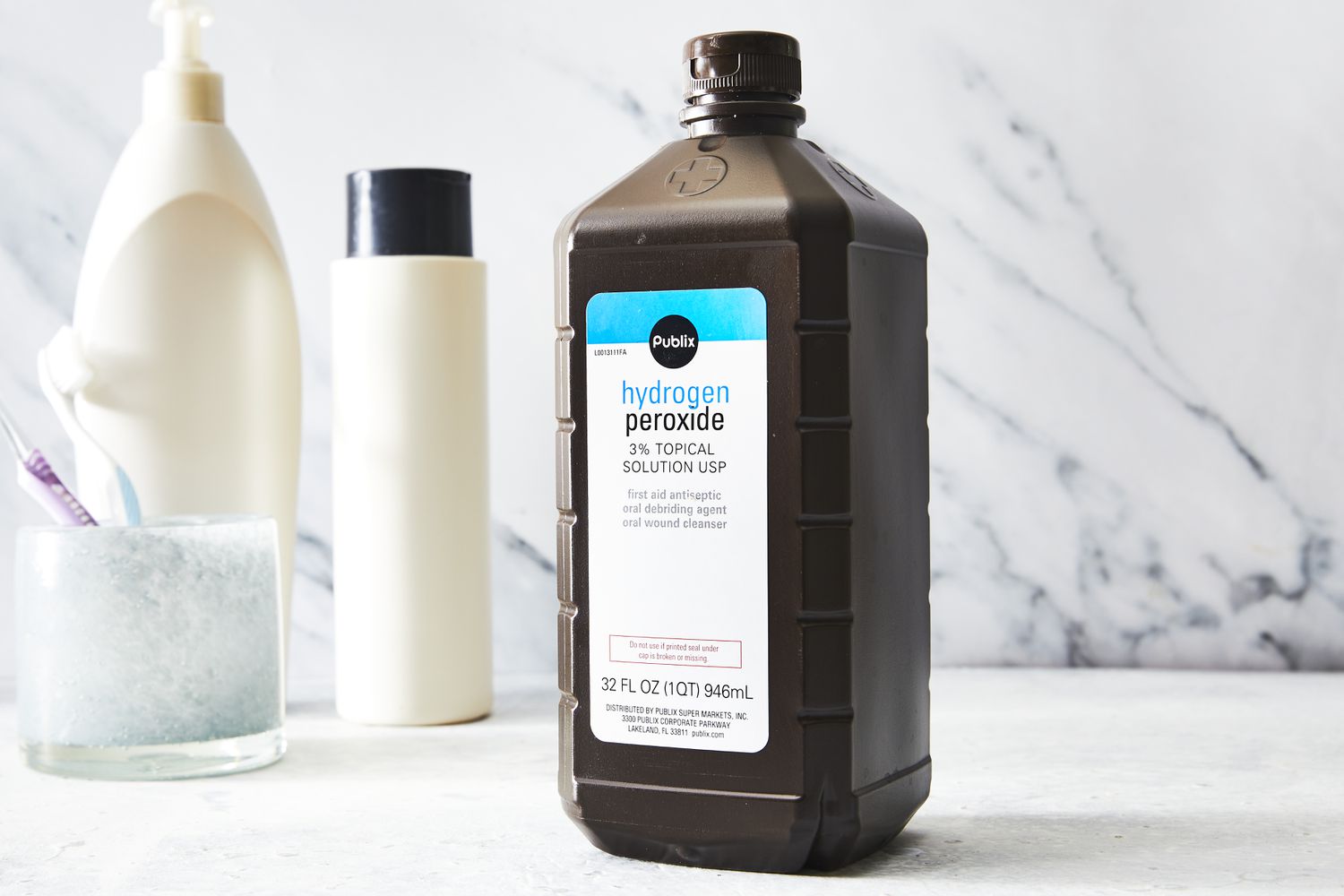
Understanding What is Hydrogen Peroxide starts with its chemical structure. Hydrogen peroxide, or H₂O₂, is a compound made of two hydrogen atoms and two oxygen atoms, essentially resembling water with an additional oxygen atom. That extra oxygen makes it useful for cleaning and disinfection, but it can also make stronger concentrations potentially dangerous. It is a clear, odorless liquid that looks like water but reacts very differently when it contacts organic material.
At the 3% concentration found in most pharmacies and first-aid kits, hydrogen peroxide is a mild antiseptic used to clean cuts, wounds, and skin infections. It’s also used as a bleaching agent, teeth whitener, household disinfectant, and industrial oxidiser – depending on the concentration. The key thing to understand is that concentration changes everything: 3% is safe for household use; 30-35% can cause serious chemical burns; 90%+ is used in rocket propellant.
How Hydrogen Peroxide Works
When H₂O₂ contacts organic material – bacteria, blood, or living tissue – it decomposes rapidly into water (H₂O) and oxygen (O₂). That release of oxygen is the fizzing you see when you pour it on a wound.
The oxygen burst kills bacteria by oxidising their cell membranes. It also loosens debris and dead tissue from wounds, which is part of why it was historically popular as a wound cleanser. However, research has shown that this oxidation also damages healthy cells and fibroblasts (the cells responsible for wound healing), which is why many modern guidelines no longer recommend it for routine wound care.
Hydrogen Peroxide by Concentration
| Concentration | Common Uses | Safety Level | Where Found |
| 1-3% | First aid, wound cleaning, gargling | Safe for skin; avoid eyes and ingestion | Pharmacies, first-aid kits |
| 3-6% | Hair bleaching, teeth whitening | Safe with care; can irritate skin | Hair salons, dental products |
| 10-12% | Professional teeth whitening | Professional use only; causes gum irritation | Dental clinics |
| 30-35% | Industrial bleaching, food processing | Corrosive – causes severe burns if mishandled | Industrial supply |
| 90%+ | Rocket fuel, industrial oxidiser | Extremely dangerous – explosive potential | Aerospace / industrial only |
Medical and First-Aid Uses
- Minor wound cleaning: 3% H₂O₂ can clean superficial cuts and abrasions, particularly to remove debris. However, it’s no longer the gold standard – clean water or saline is now preferred by most medical guidelines as it doesn’t damage healing tissue.
- Ear wax removal: A few drops of 3% hydrogen peroxide can help soften and loosen impacted ear wax. It’s commonly used in ear drop preparations.
- Oral use (diluted): Some people use very diluted hydrogen peroxide (1-1.5%) as a mouthwash for gum health or mild teeth whitening. Never swallow it.
- Acne spot treatment: Some dermatologists recommend diluted H₂O₂ as a spot treatment, though benzoyl peroxide is generally preferred.
Household and Cleaning Uses
- Surface disinfectant: 3% H₂O₂ kills bacteria, viruses, and fungi on hard surfaces. Effective against E. coli, Salmonella, and some viruses.
- Vegetable wash: A diluted spray of 3% on produce can help remove pesticide residue and surface bacteria. Rinse thoroughly after.
- Mould removal: Effective on non-porous surfaces like bathroom tiles. Spray, leave for 10 minutes, scrub, and rinse.
- Laundry whitening: ½ cup of 3% H₂O₂ added to laundry can brighten whites. It’s a gentler alternative to chlorine bleach.
- Toothbrush sanitising: Soaking your toothbrush in 3% H₂O₂ for a few minutes kills bacteria between uses.
What Hydrogen Peroxide Should NOT Be Used For
| Common Misuse | Why It’s a Problem |
| Deep or serious wounds | Delays healing by damaging healthy tissue and fibroblasts |
| Internal consumption (“detox”) | Can cause gas embolism, internal burns, and death. This is dangerous misinformation. |
| Eye contact | Even 3% causes irritation; higher concentrations can cause permanent eye damage |
| Skin whitening | Regular skin application at higher concentrations causes bleaching and tissue damage |
| Mixing with vinegar | Produces peracetic acid – a corrosive compound that irritates skin, eyes, and lungs |
Hydrogen Peroxide vs. Other Antiseptics
| Product | Best For | Kills Bacteria? | Safe on Wounds? |
| H₂O₂ (3%) | Surfaces, ear care, minor cleaning | Yes | Caution – damages tissue |
| Rubbing Alcohol (70%) | Skin sterilisation before injections | Yes | Not ideal for open wounds |
| Povidone-iodine | Surgical prep, wound cleaning | Yes | Better than H₂O₂ for wounds |
| Saline solution | Wound irrigation | No (flush only) | Yes – gold standard |
Safety Tips
- Always store in a cool, dark place – light degrades hydrogen peroxide quickly.
- Keep the bottle closed tightly – it degrades when exposed to air.
- Never store in a sealed container after opening – the released oxygen can build pressure.
- Keep out of reach of children.
- If swallowed in significant quantity – call poison control immediately.
