

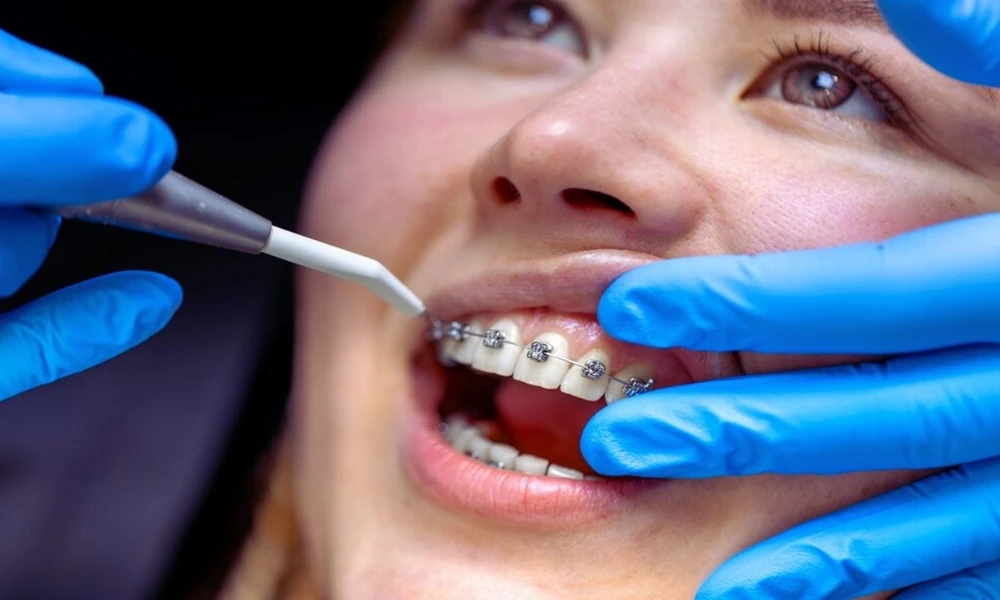
A broken bracket or poking wire can catch you completely off guard. The good news is that many problems with braces are just uncomfortable episodes rather than truly dangerous. Knowing what to do in those first few minutes can protect your mouth, reduce irritation, and help keep your treatment on track. For most minor mishaps, a bit of orthodontic wax and some patience will tide you over.
If you are undergoing orthodontic treatment, it helps to know which braces problems need quick attention and which can safely wait for your orthodontist’s next available appointment. For routine concerns, top practices like The Smile Patio Orthodontics can assess the issue and recommend the appropriate next step. They offer the best orthodontic treatment Vista, CA.
Not every loose bracket requires an emergency visit, but severe pain, significant swelling, uncontrolled bleeding, or an injury should never be ignored.
Common Braces Emergencies
Some of the most common problems include:
- Loose or broken bracket: A bracket may come loose from the tooth while remaining attached to the wire. Do not pull it off. Leave it in place and contact your orthodontist.
- Poking or broken wire: A sharp wire can irritate your cheek, tongue, or gums. Orthodontic wax can cover the sharp end temporarily and make it more comfortable.
- Loose or missing elastic: Let your orthodontist know, especially if the elastic is part of your prescribed treatment.
- Mouth sores: New braces can rub against the cheeks and lips. Wax placed over the irritating area can provide some relief.
- Broken retainer: Contact your orthodontist promptly because teeth can begin shifting when a retainer is no longer functioning properly.
What Should You Do First?
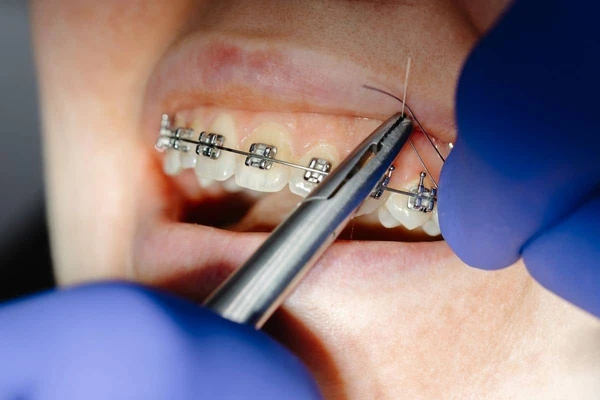
Try not to panic. Take a quick look at the affected area using a mirror and identify what has moved or broken. If a wire is irritating your mouth, cover it with orthodontic wax rather than repeatedly touching it with your tongue or fingers.
Stick to softer foods until the problem is repaired, particularly if a bracket has become loose. Avoid hard, sticky, or chewy foods that could make the damage worse.
Next, call your orthodontist and explain exactly what happened. A photo can also be useful if the office asks you to send one. Your orthodontic team can tell you whether you need to come in immediately or whether the repair can wait for your next appointment.
When Is It a True Emergency?
Seek urgent medical care if you have:
- Uncontrolled bleeding
- Significant facial or gum swelling
- Severe, persistent pain
- A serious mouth or facial injury
- Trouble breathing or swallowing
These symptoms go beyond an ordinary braces problem and may require immediate medical attention. Most importantly, do not try to repair or remove orthodontic hardware yourself. A calm response, temporary protection, and a quick call to your orthodontist are usually the best way to handle an unexpected braces problem.
Most braces issues like a loose bracket, poking wire, or general soreness are uncomfortable but can safely wait until your next appointment with your dental expert; they rarely derail your treatment plan. For true emergencies involving severe pain, injury, or swelling, contact your orthodontist promptly
