

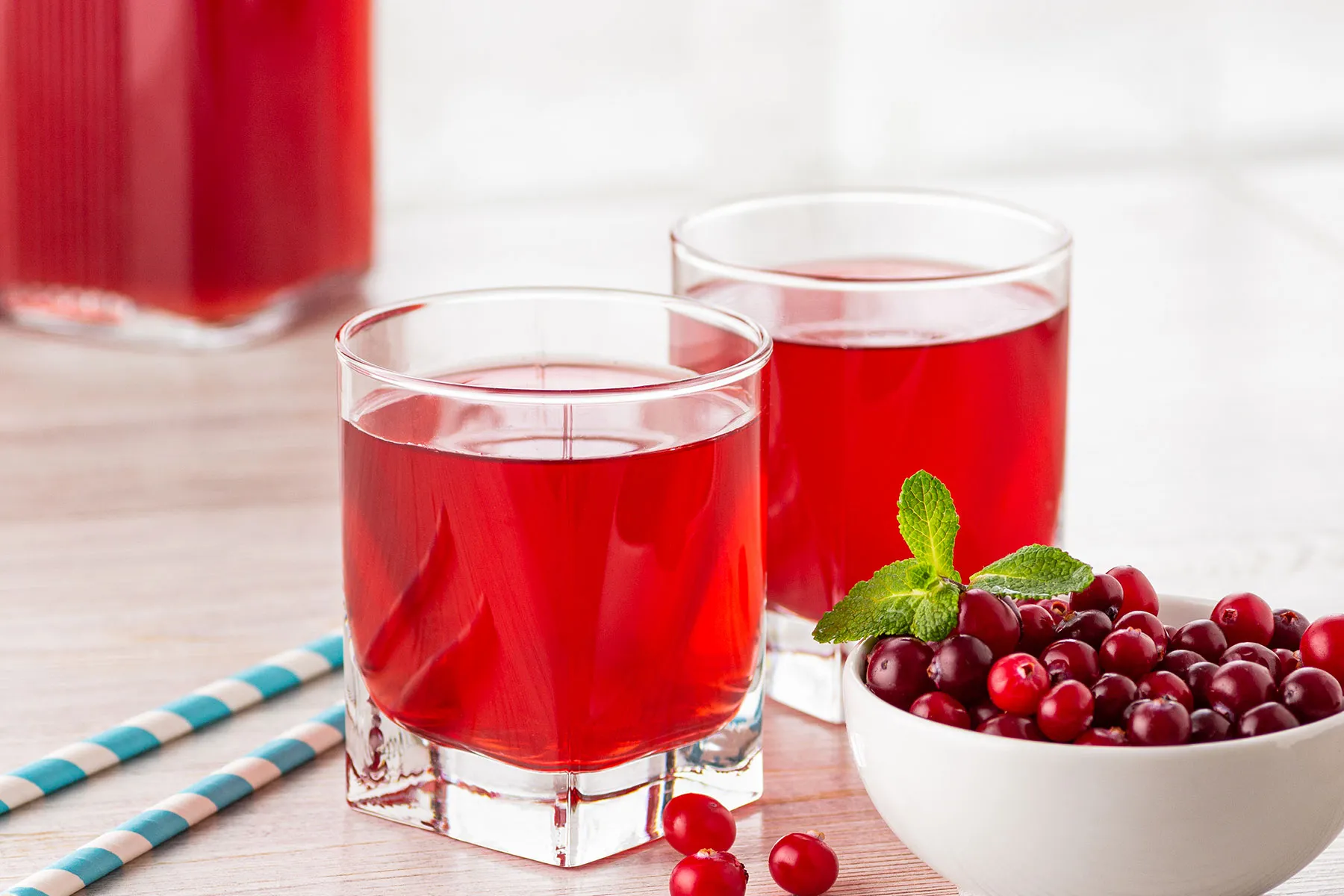
The most evidence-backed “cranberry juice benefits“ focus on prevention rather than cure. Compounds called proanthocyanidins prevent bacteria from sticking to the bladder wall, which helps stop recurrent UTIs before they start. It does not effectively treat an active infection once it has taken hold. Additionally, it provides a high dose of antioxidants that support cardiovascular health and can help lower blood pressure.
Here’s what the research actually shows – and which form of cranberry delivers the most benefit.
The UTI Question – Set Straight
Cranberry juice prevents UTIs in women prone to recurrent infections – this is reasonably well-supported. It works by preventing bacteria (mainly E. coli) from adhering to the walls of the urinary tract, so they can’t take hold and multiply.
What it doesn’t do: treat an active UTI. If you already have a UTI with symptoms, cranberry juice is not a substitute for antibiotics. It’s a preventative measure, not a treatment. The distinction matters.
Proven Benefits
Urinary Tract Health
For women with 3 or more UTIs per year, daily cranberry consumption (juice or supplement) has been shown to reduce recurrence by around 25-30% in multiple clinical trials. This is a meaningful reduction, especially for those trying to reduce antibiotic dependence.
Rich in Antioxidants
Cranberries are among the highest antioxidant-containing fruits. The proanthocyanidins (PACs), quercetin, and vitamin C in cranberry juice help neutralise free radicals, reducing oxidative stress linked to ageing, inflammation, and chronic disease.
Heart Health Support
Regular cranberry consumption has been linked to modest improvements in HDL (good) cholesterol, reduced LDL oxidation, and lower blood pressure in some studies. These effects are real but modest – cranberry juice won’t replace a heart-healthy diet, but it’s a useful addition to one.
Gut Microbiome Benefits
Emerging research suggests cranberry polyphenols support the growth of beneficial gut bacteria while reducing harmful bacteria – including H. pylori, which is linked to stomach ulcers. This is an area of active research with promising early findings.
Benefits + Evidence Strength
| Benefit | Evidence | Notes |
|---|---|---|
| Preventing recurrent UTIs | Strong | Preventative, not curative |
| Antioxidant activity | Strong | High PAC and vitamin C content |
| Heart health (cholesterol) | Moderate | Small but consistent effect |
| Gut microbiome support | Moderate (emerging) | Promising early research |
| Anti-inflammatory effects | Moderate | Via antioxidant pathways |
| Treating active UTI | Weak / None | Not a substitute for antibiotics |
| Cancer prevention | Weak / Emerging | Lab studies only so far |
Which Form of Cranberry Is Best?
This matters more than most people realise:
- Pure cranberry juice (unsweetened): highest benefit, but very tart – often diluted
- Cranberry juice cocktail: typically only 25-30% real juice + added sugar – lowest benefit, high sugar cost
- Cranberry supplements (PAC-standardised): most concentrated form, no sugar – best for UTI prevention if you don’t enjoy the juice
- Cranberry powder / capsules: convenient, consistent dosing – good for daily use
If you’re drinking cranberry juice primarily for UTI prevention, unsweetened juice or a standardised supplement is far more effective than the popular cocktail versions.
How Much and How Often
- UTI prevention: 240-300ml of unsweetened juice daily, or 36mg PACs from supplement
- General health: 1-2 glasses of diluted unsweetened juice per day
- Consistency matters – benefits build over weeks, not after a single glass
Who Should Be Cautious
- Kidney stone history: cranberry juice is high in oxalates – increases kidney stone risk in susceptible people
- Blood thinners (warfarin): cranberry may interact and increase bleeding risk – always check with your doctor
- Diabetics or blood sugar management: juice cocktails carry significant sugar load – choose unsweetened or supplement form
- IBS or sensitive digestion: the acidity can aggravate symptoms in some people
